Fine motor skills
Delays in the small hand movements writing relies on, including development of the pincer grip and general motor coordination.

Occupational therapy at TheraCure
Handwriting difficulty is rarely just a matter of practice.
More often there is something underneath it — fine motor, visual motor or sensory processing skills that need addressing before the writing itself will improve. Occupational therapy finds the root cause and works on that, for children and adults across South Mumbai.
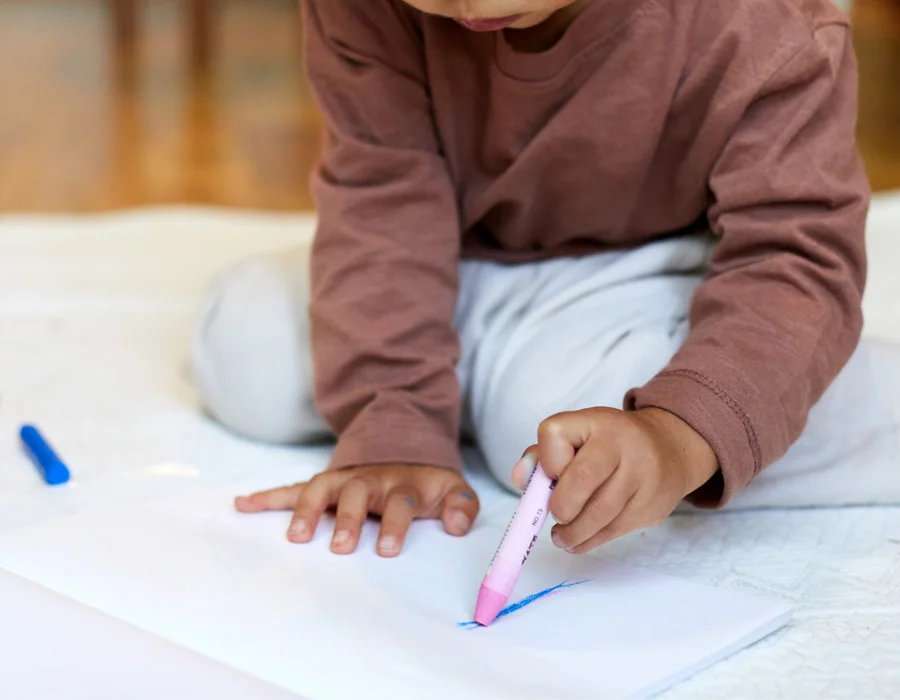
What to look for
These signs vary by age and by child, and having one or two occasionally is not unusual. It is a pattern over time that is worth paying attention to.
Why it matters
Laptops and tablets have changed a great deal, but exams in Mumbai schools are still written by hand. When a teacher cannot read what a child has written, the marks reflect the handwriting rather than the understanding behind it.
That gap has a cost beyond the report card. Children notice when their work comes back marked down for something they cannot seem to fix, and the anxiety and loss of confidence that follows often shows up before anyone connects it to the writing itself.
This is why we treat persistent handwriting difficulty as worth investigating rather than waiting out. The earlier the underlying cause is identified, the less of this builds up.

Root causes
Handwriting draws on several underlying skills at once, so there is often more than one reason a child or adult struggles.
Delays in the small hand movements writing relies on, including development of the pincer grip and general motor coordination.
Difficulty translating what the eyes see into what the hand does — copying from the board being the classic example.
How a person interprets sensory information, which affects grip pressure, posture and tolerance for sustained writing.
Trouble sequencing the movements a letter requires. See motor planning disorders.
Sustaining attention through a writing task, including ADHD.
A word on terminology
Some clinicians use the term dysgraphia to describe persistent difficulty with the physical process of writing — difficulty that does not resolve with the practice that works for most children.
It is a clinical term. Only a qualified professional can properly assess for it, and it is not something to diagnose from a checklist. That includes this page.
What matters practically is this: most people with untidy handwriting do not have dysgraphia, and the label itself changes very little about what helps.
The assessment looks for what is actually getting in the way — grip, coordination, sensory processing, planning, attention — and the programme is built from that, whether or not a diagnostic term ends up attached to it.
The assessment
We look at the writing in context rather than in isolation — the writing task itself, plus the skills sitting underneath it.

Letter formation, sizing, spacing, speed and legibility across different tasks.
Hand and finger control, grip, and the upper body strength that supports a steady hand.
How visual information translates into movement, and how sensory input is being processed.
What parents and teachers observe adds context we cannot get from a clinic room alone.
The programme
Once we know what is causing the difficulty, the programme is built around that — not run from a standard template.
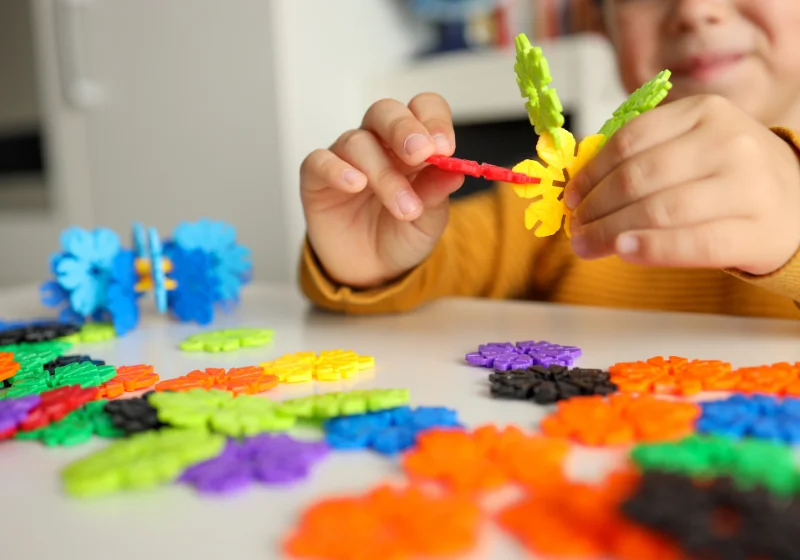
Building the hand strength and finger control that writing depends on. See fine motor skills training.

Targeted work where translating what is seen into controlled movement is part of the problem.

Teaching an efficient pencil grip and consistent letter formation, with grip aids where they help.
At home
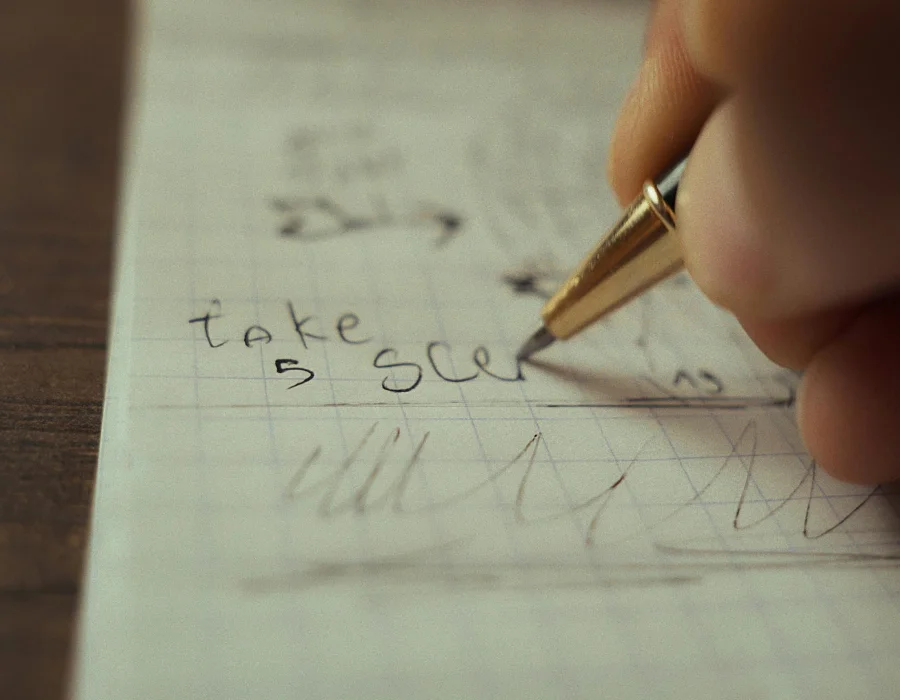
These support fine motor development generally. They will not resolve a persistent difficulty that is affecting confidence or schoolwork — that needs an assessment — but they are worth doing either way.
Not just children
Handwriting difficulty affects people of all ages. You might be dealing with writing that has always been untidy, hands that tire quickly when filling in forms or signing cheques, or writing that has changed noticeably after an illness or injury.
For adults, the common causes are different — neurological conditions, arthritis, hand injury, or reduced fine motor control — but the approach is the same. We assess what has changed and build a programme around it.
A sudden or dramatic change in your handwriting is worth getting looked at rather than working around.
Next step
Consider an assessment if any of the following apply.
If any of this sounds familiar, an assessment is a straightforward first step towards understanding what is actually going on and what will help.
About our occupational therapy team
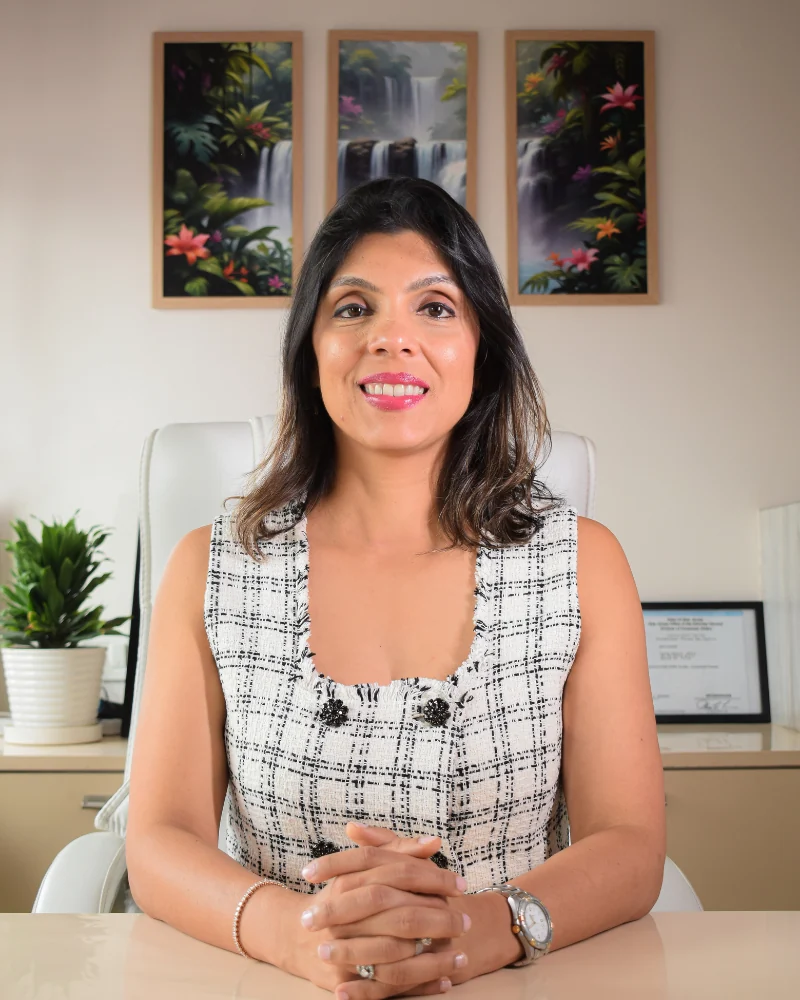
Founder, TheraCure — Consultant Occupational Therapist & Physiotherapist
Handwriting evaluations at TheraCure are carried out by Dr. Pooja Mehta and our team of qualified occupational therapists, based at Opera House, Charni Road in South Mumbai.
Every plan is built around the individual and adjusted as new information comes in. It is not designed as a one-size-fits-all programme, because handwriting difficulty rarely has a one-size-fits-all cause.
Related care
Handwriting work often runs alongside these.
The full range of occupational therapy services we offer.
Often a core part of handwriting-focused therapy.
Movement-based activities that can support coordination and focus.
A related condition that can affect handwriting.
For when attention and focus are part of the picture.
Browse the full list of occupational therapy conditions.
Common questions
Not necessarily. Handwriting difficulty can come from fine motor, visual motor or sensory processing challenges on their own, without any learning disability involved. It can also sit alongside one. Only a proper assessment can tell you which of these is driving the problem.
Children develop handwriting at very different rates, so one untidy sample is not a reason to worry. It is worth a closer look when your child is still struggling after most of their classmates have moved on, or when a teacher raises it with you directly.
Yes. Occupational therapy helps adults whose handwriting has been affected by neurological conditions, arthritis, hand injury, reduced fine motor control or other medical causes. The approach is the same: assess what has changed, then build an individual programme around it.
It depends on what is causing the difficulty, the person's age, and how often the techniques get practised between sessions. Rather than quoting a session count upfront, your therapist will give you a realistic picture after the initial assessment.
No. Dysgraphia is a specific learning disorder affecting the motor side of writing, where practice alone does not resolve the difficulty. Most people with untidy handwriting do not have dysgraphia, and only a qualified professional can diagnose it.
Not always. Families and adults often refer themselves for an initial assessment. That said, input from your child's paediatrician or teacher gives the therapist useful context, so it is worth involving them where you can.
TheraCure — South Mumbai
If handwriting has become a battle at home or at school, an assessment identifies what is underneath it and what will actually help.